India's rapid urbanization, population growth, and changing consumption patterns are driving a significant increase in waste generation. Urban local bodies generate over 170,000 tons of municipal solid waste daily according to the Central Pollution Control Board (CPCB 2023-24 report). However, inadequate waste segregation, recycling, and scientific disposal continue to contribute to environmental pollution and public health risks.
Globally, nearly 40% of waste is still disposed of through open dumping, highlighting the need for sustainable waste management systems and circular economy solutions (United Nations Environment Program (UNEP 2024). Shell-supported initiatives in Gujarat and Karnataka demonstrate how decentralized and circular waste management approaches can strengthen local waste management systems, improve resource recovery, and deliver better environmental outcomes.
Hazira Solid Waste Management Project, Gujarat
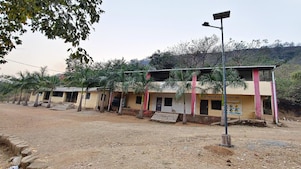
Hazira village in Gujarat, with a population of around 15,000 residents, generates approximately 1,700-2,000 kg of waste daily. To address waste management challenges and reduce reliance on open dumping, Shell India supported the development of a modern waste management facility equipped with segregation, composting, and recycling infrastructure.
Project Highlights
- 1,677+ tonnes of solid waste treated and segregated
- 500 MT waste segregation facility installed
- 15,000 residents benefited
- 1,700-2,000 kg of waste managed daily
- Composting and baling infrastructure established
- Improved waste segregation, recycling, and resource recovery
Impact
The project has strengthened solid waste management in Hazira by enabling scientific waste processing, reducing landfill dependency, and promoting resource recovery. The initiative is helping create a cleaner environment while supporting more sustainable waste management practices in the community.
North Bangalore (Karnataka) waste management project:
Across 37 villages in 5 Gram Panchayats, limited waste collection and disposal systems led to environmental and public health challenges. To address this, Shell India, in partnership with a local NGO, established waste management infrastructure, introduced door-to-door collection, strengthened local capacities, and promoted responsible waste management practices.
Project Highlights
- 424 tonnes of waste managed
- 37 villages across 5 Gram Panchayats covered
- 20,000 households benefited
- 90% waste collection achieved
- 85% source segregation achieved
- 182 tonnes of waste recycled
- 240 tonnes of waste composted and scientifically processed
- 2,879 kg of residual waste safely managed
Impact
The project has strengthened local waste management systems, improved resource recovery, and created a cleaner and healthier environment. In addition, revenue generated through recycling and resource recovery is helping Gram Panchayats build more sustainable waste management practices.